Fire-Rated Curtain Walls, Windows & Doors: Essential Guide
Understand the critical role of fire-rated glazing systems in building safety, from regulatory requirements to product selection and installation best practices.
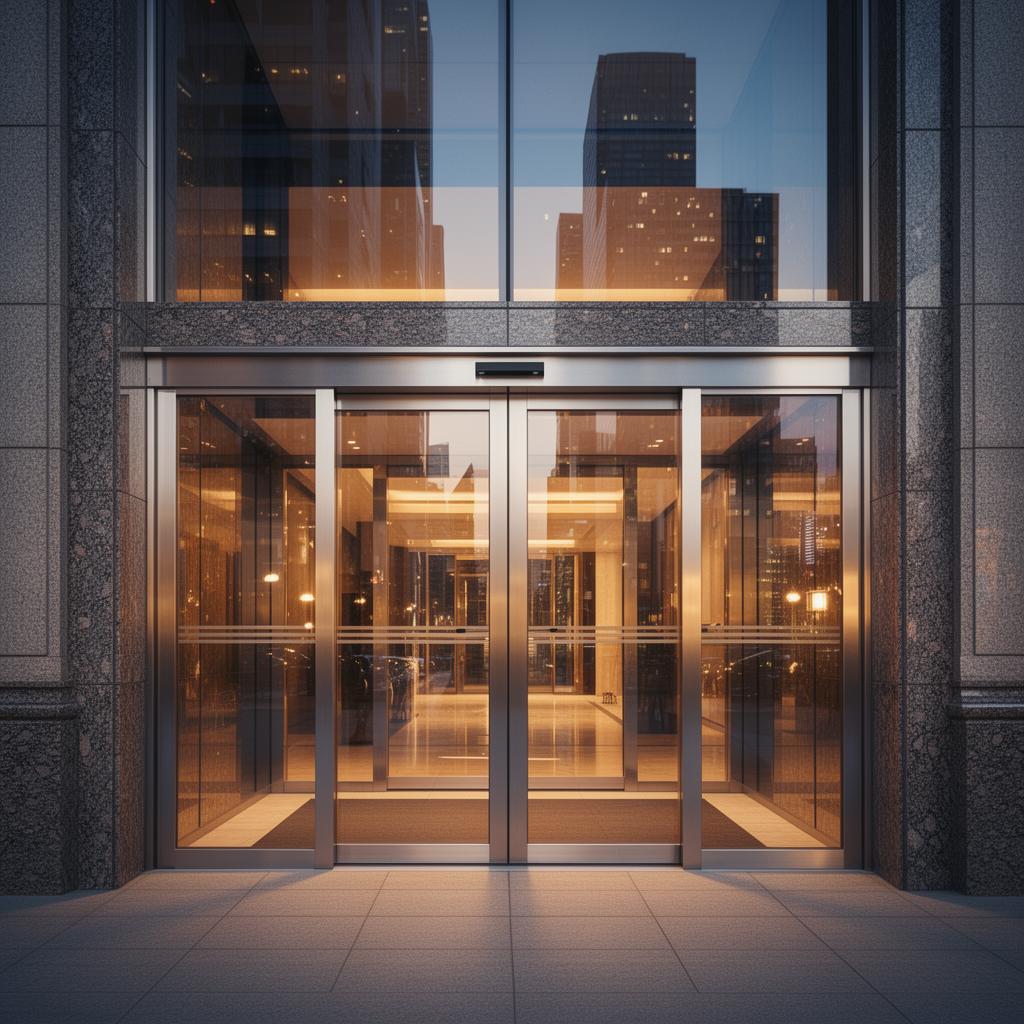
Fire-rated glazing systems are critical life-safety components in modern buildings. From curtain walls that maintain compartmentation during a fire to doors and windows that provide protected escape routes, fire-rated fenestration plays an essential role in building safety strategies.
Understanding Fire-Rated Glazing
Fire-rated glazing systems are designed to maintain their integrity and, in many cases, provide insulation during a fire for a specified period. Unlike standard glazing that would quickly fail when exposed to fire, fire-rated glass and framing systems are engineered to resist heat, flames, and smoke.
Key Performance Criteria
- Integrity (E): Preventing the passage of flames and hot gases through the assembly
- Insulation (I): Limiting heat transfer to protect people and materials on the unexposed side
- Radiation (W): Controlling radiant heat transmission through the glazing
Fire ratings are expressed in minutes (e.g., E30, EI60, EW90), indicating how long the system maintains the specified performance criteria during standardised fire testing.
1. Fire-Rated Curtain Wall Systems
Fire-rated curtain walls provide compartmentation at floor edges and between fire compartments while maintaining the aesthetic benefits of extensive glazing. Applications include floor edge protection, compartment boundaries, atrium perimeters, boundary conditions, and mixed-use separations.
Systems comprise specialist fire-rated glass, steel-reinforced frames, intumescent seals, fire-rated brackets, and tested assemblies certified to EN 1364-4.
2. Fire-Rated Windows
Fire-rated windows are essential where glazed openings are required in fire-resisting walls. Types include fixed fire-rated windows, openable windows that close automatically in fire conditions, escape windows, and smoke control windows. Performance levels range from E30 through EI30, EI60, and up to EI90/EI120 for high-risk applications.
3. Fire-Rated Doors
Fire doors are perhaps the most critical fire safety component in any building. Categories include hinged FD30–FD120 doors, sliding fire doors, glazed fire doors, double-action doors, and smoke control doors. Essential hardware includes self-closing devices, hold-open electromagnets, intumescent strips, smoke seals, fire-rated hinges, and panic hardware on escape doors.
4. Types of Fire-Rated Glass
Integrity-only glass (E): Wired glass, toughened borosilicate, and gel-filled units that become opaque to block radiant heat.
Insulating glass (EI): Intumescent interlayer glass with multiple layers that expand and insulate, ceramic glass with inherent fire resistance, and composite solutions combining different technologies.
5. Regulatory Framework
- Approved Document B: Fire safety guidance covering fire-rated elements
- BS 476 series: Traditional British Standards for fire testing
- BS EN 1634: European standards for fire-rated doors and shutters
- BS EN 1364: European standards for non-loadbearing elements including curtain walls
- Building Safety Act 2022: Enhanced requirements for higher-risk buildings
All fire-rated products must be tested by accredited laboratories with third-party certification such as Certifire or BWF-Certifire.
6. Design Considerations
Successful fire-rated glazing projects require careful attention to fire strategy alignment, junction details with other fire-rated elements, building movement accommodation, aesthetic integration with non-fire-rated sections, and maintenance access planning from the earliest design stages.
7. Installation Best Practices
Fire-rated glazing performance depends critically on competent installers, exact adherence to manufacturer's tested specifications, quality documentation, correct fire stopping at all penetrations and junctions, and third-party inspection and sign-off where required.
8. Maintenance and Inspection
Regular inspection for damage and wear, door testing of self-closing and hold-open devices, seal condition checks on intumescent and smoke seals, glass integrity inspection, and full maintenance documentation are all essential to maintain certified performance.
Ideal Applications for Fire-Rated Glazing
- High-rise buildings: Floor edge protection and compartmentation
- Healthcare facilities: Protecting patients who cannot self-evacuate
- Educational buildings: Ensuring safe evacuation routes
- Retail and leisure: Atrium protection and compartmentation
- Mixed-use developments: Separation between different uses
- Listed and heritage buildings: Sympathetic fire upgrading solutions
- Transport hubs: Protecting escape routes and critical infrastructure
Conclusion
Fire-rated curtain walls, windows, and doors are essential life-safety components that must be specified, installed, and maintained correctly to perform when needed. With evolving regulations placing ever-greater emphasis on building safety, understanding fire-rated glazing has never been more important.